Your team

Meet the Scar Assessment Team

Four physicians staff the Deputy Director & Head of Skin & Laser Aesthetics · Attending Physician, Licensed Aesthetic Attending at Chongqing West District Hospital. Dr. Tongchun Mao is the responsible physician for this site and assesses its scars; the Center Director sets the standards the practice is held to, and two team physicians carry the wound and follow-up care that decides how a scar forms and whether it settles.

Specialist profiles

Who reviews this content

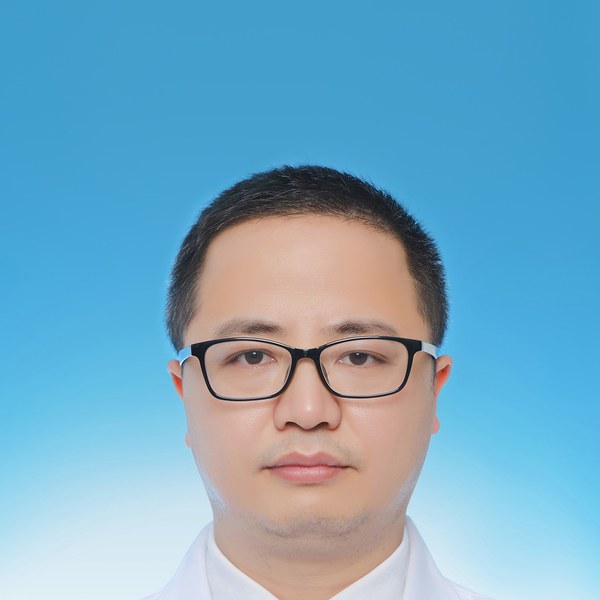
Tongchun Mao

Tongchun Mao (毛彤春)

Deputy Director & Head of Aesthetic Surgery · Vice Chief Physician, Licensed Aesthetic Attending · Lead Physician of This Site

Scar assessment · scar revision · wound healing

Dr. Tongchun Mao is an aesthetic surgeon at Chongqing West District Hospital, where he is Deputy Director and Head of Aesthetic Surgery in its Deputy Director & Head of Skin & Laser Aesthetics · Attending Physician, Licensed Aesthetic Attending and the responsible physician for this site. He personally performs more than 700 operations a year, within hospital standards of assessment, anaesthesia and follow-up.

His approach to a scar begins with its stage rather than its appearance. A scar at three months and the same scar at eighteen months call for different answers, and most of the discipline in scar treatment lies in knowing which one is in front of you. He treats the scar that is not behaving — one that is growing beyond the wound, causing significant pain or itch, or restricting movement — when it is identified, and leaves a normally maturing scar alone.

He is also direct about the limits. No treatment removes a scar, and surgery replaces one scar with another whose healing cannot be guaranteed to be better. Patients who understand that before treatment tend to judge the result by whether the scar is less troublesome than it was, which is the standard the treatment can actually meet.

Clinical focus

  • Assessment of scar maturation, hypertrophy, keloid and contracture
  • Scar revision surgery, planned around the stage of the scar
  • Management of wounds that have not healed primarily
  • Scar planning at the time of the original operation
  • Long-term follow-up of scars that change over months

Judge a scar against its own timeline

The commonest mistake in scar treatment is intervening in the middle of maturation and then attributing the result to the treatment. A scar at six weeks is not a scar that has failed; it is a scar that is being rebuilt. Knowing which scars are not behaving like that is the whole of the assessment.
Shaoliang Wang

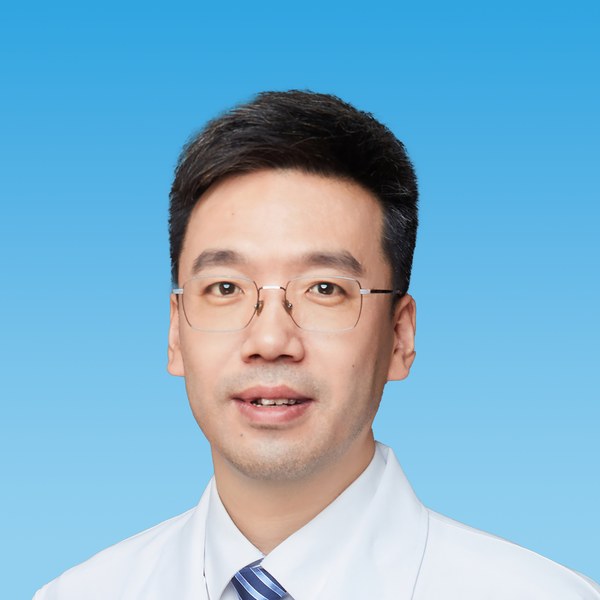
Shaoliang Wang (王韶亮)

Director, Plastic Surgery & Aesthetics Medical Center · Vice Chief Physician, Associate Professor, Doctor of Medicine

Centre leadership · surgical standards

Dr. Shaoliang Wang is Center Director of the Deputy Director & Head of Skin & Laser Aesthetics · Attending Physician, Licensed Aesthetic Attending at Chongqing West District Hospital and leads the four-doctor team in which Dr. Mao practices. His role is the guarantee that an individual surgeon's plan sits inside a departmental system rather than beside it.

Scars sit at the boundary between surgery and the rest of the hospital, because the wound that becomes a scar may have been made by any service. That system is what makes the assessment checkable: access to diagnostic imaging and pathology when a scar needs to be distinguished from something else, and a defined review schedule after every operation rather than advice given once and forgotten.

Clinical focus

  • Center leadership and multidisciplinary case review
  • Surgical standards for wound closure and scar planning
  • Hospital-based support when a wound problem needs urgent care
Ke He

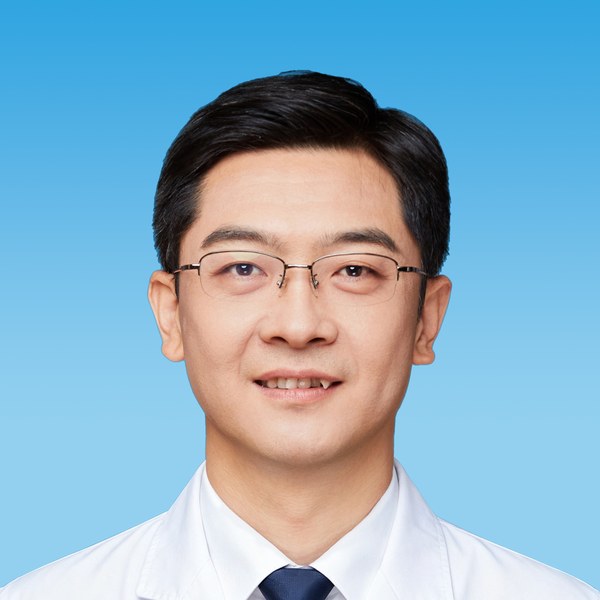
Ke He (何锞)

Deputy Director & Head of Skin & Laser Aesthetics · Attending Physician, Licensed Aesthetic Attending

Team physician · wound and scar follow-up

Dr. Ke He is a physician in the Deputy Director & Head of Skin & Laser Aesthetics · Attending Physician, Licensed Aesthetic Attending at Chongqing West District Hospital and a member of the four-doctor team alongside Dr. Mao, supporting the assessment and follow-up of surgical patients.

In a scar pathway her work is the wound before it becomes a scar: reviewing a wound that is slow to settle, distinguishing ordinary post-operative inflammation from infection, recognising the early signs that a wound is separating, and making sure a patient who is worried is seen rather than reassured by telephone alone.

Clinical focus

  • Review of healing wounds and early scar formation
  • Recognition of infection and wound dehiscence needing same-day care
  • Follow-up across the months in which a scar is still changing
Yongbo Jia

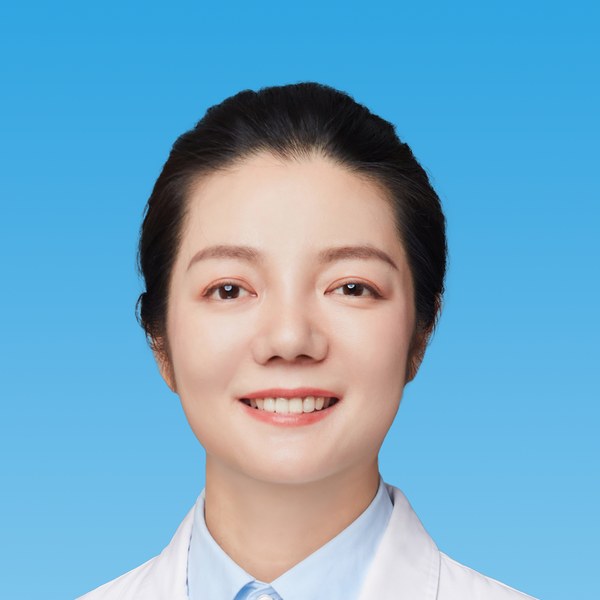
Yongbo Jia (贾勇波)

Deputy Director & Head of Dermatology · Vice Chief Physician, Licensed Aesthetic Attending

Team physician · continuity and skin health

Dr. Yongbo Jia is a physician in the Deputy Director & Head of Skin & Laser Aesthetics · Attending Physician, Licensed Aesthetic Attending at Chongqing West District Hospital and a member of the four-doctor team alongside Dr. Mao, supporting the perioperative and follow-up care of surgical patients.

His contribution to a scar pathway is the long view and the skin around it: following a scar that keeps changing after it should have settled, making sure a lump or a change near a scar is assessed as a clinical question in its own right, and managing the pigment and barrier problems that so often accompany a scar that is being treated.

Clinical focus

  • Follow-up of scars that change after the expected settling period
  • Assessment of a lump or skin change near a scar
  • Management of pigment and skin problems around a treated scar

Concerned about a scar that is not settling?

Contact the team to have it assessed. A scar is judged against its stage of healing, and the first question is whether it needs care now or simply more time.

Contact the Team